
To Kill a Mockingbird
To Kill a Mockingbird is a 1960 novel by American author Harper Lee, published on July 11, 1960, by J. B. Lippincott & Co. It won the Pulitzer Prize for Fiction in 1961 and has since become a classic of modern American literature, often categorized as Southern Gothic. Set in the fictional town of Maycomb, Alabama, during the Great Depression, the story is narrated by six-year-old Scout Finch, who observes the complexities of racial injustice, moral courage, and the loss of innocence.
The plot centers on Scout’s father, Atticus Finch, a principled lawyer who defends Tom Robinson, a black man falsely accused of raping a white woman. Despite compelling evidence of Tom’s innocence, an all-white jury convicts him, and Tom is later killed while attempting to escape. Interwoven with this trial is the children’s fascination with their reclusive neighbor, Boo Radley, who eventually emerges to save Scout and her brother Jem from a violent attack. The novel thus explores both public and private forms of prejudice and compassion.
Key themes include racial prejudice, integrity, justice, innocence versus evil, and the moral education of children. The title metaphor—that it is a sin to kill a mockingbird, a creature that harms no one—symbolizes the destruction of innocent beings like Tom Robinson and Boo Radley. Lee’s writing is warm and humorous despite the gravity of the subject matter, capturing the voice of a young girl grappling with adult hypocrisy and courage.
The novel draws heavily from Lee’s own upbringing in Monroeville, Alabama. Her father, Amasa Coleman Lee, a lawyer and state legislator, served as the model for Atticus Finch. The story was also inspired by a real event near her hometown in 1936, when she was ten years old. Lee initially wrote a manuscript titled Go Set a Watchman, featuring an adult Scout, but her editor advised her to rewrite it from a child’s perspective, a process that took two years.
Upon release, To Kill a Mockingbird became an instant bestseller and critical success. It has been translated into over 40 languages and sold more than 30 million copies worldwide. In the United States, it is widely read in middle and high schools, often as required reading. The 1962 film adaptation, starring Gregory Peck as Atticus Finch, won three Academy Awards and cemented the novel’s cultural impact. While some contemporary critiques point to its “white savior” narrative, the book remains a powerful and enduring exploration of racial justice, empathy, and the moral complexities of small-town life. Harper Lee’s only other novel, Go Set a Watchman, published in 2015, was an earlier draft of the same story, revealing a more complicated portrait of Atticus and sparking debates about the integrity of its publication.
About the Author
Harper Lee (born Nelle Harper Lee, April 28, 1926 – February 19, 2016) was an American novelist best known for her 1960 masterpiece To Kill a Mockingbird, which won the Pulitzer Prize for Fiction in 1961 and became a classic of modern American literature. She was born in Monroeville, Alabama, the youngest of four children of Amasa Coleman Lee, a lawyer and former state legislator, and Frances Finch, who struggled with mental health issues. Lee’s childhood friendship with Truman Capote, who later wrote In Cold Blood, was a formative influence; she assisted Capote in his research for that book.
Lee attended Huntingdon College in Montgomery from 1944 to 1945, then studied law at the University of Alabama from 1945 to 1949. While there, she wrote for the campus literary magazine and the humor magazine Rammer Jammer, often addressing racial prejudice—a topic rarely discussed at the time. She left the university six months before graduation and moved to New York City to pursue writing, working as an airline reservation clerk while writing fiction.
In 1957, Lee submitted an early manuscript titled Go Set a Watchman to her agent. Her editor, however, advised her to rewrite the story from a child’s perspective and set it two decades earlier. After two years of revisions, the novel became To Kill a Mockingbird, published in 1960. Its instant success and the 1962 film adaptation, starring Gregory Peck as Atticus Finch, made Lee a literary celebrity, but she shunned the spotlight, living a reclusive life in Monroeville with her sister Alice. She rarely gave interviews or public appearances, and for over 50 years published no new work, earning her the nickname “the Garbo of literature.”
In 2007, President George W. Bush awarded Lee the Presidential Medal of Freedom for her contributions to literature. In 2015, a second novel, Go Set a Watchman, was published amid controversy: it was the original draft of To Kill a Mockingbird, depicting an older Atticus Finch with racist views. Many questioned whether Lee, then 89 and in frail health, had consented to its release. Lee died peacefully in her sleep at a Monroeville nursing home on February 19, 2016, at age 89. Despite her limited output, her legacy endures through To Kill a Mockingbird, which remains a cornerstone of American education and a powerful touchstone for discussions of racial justice, moral courage, and empathy.
StoryFlow
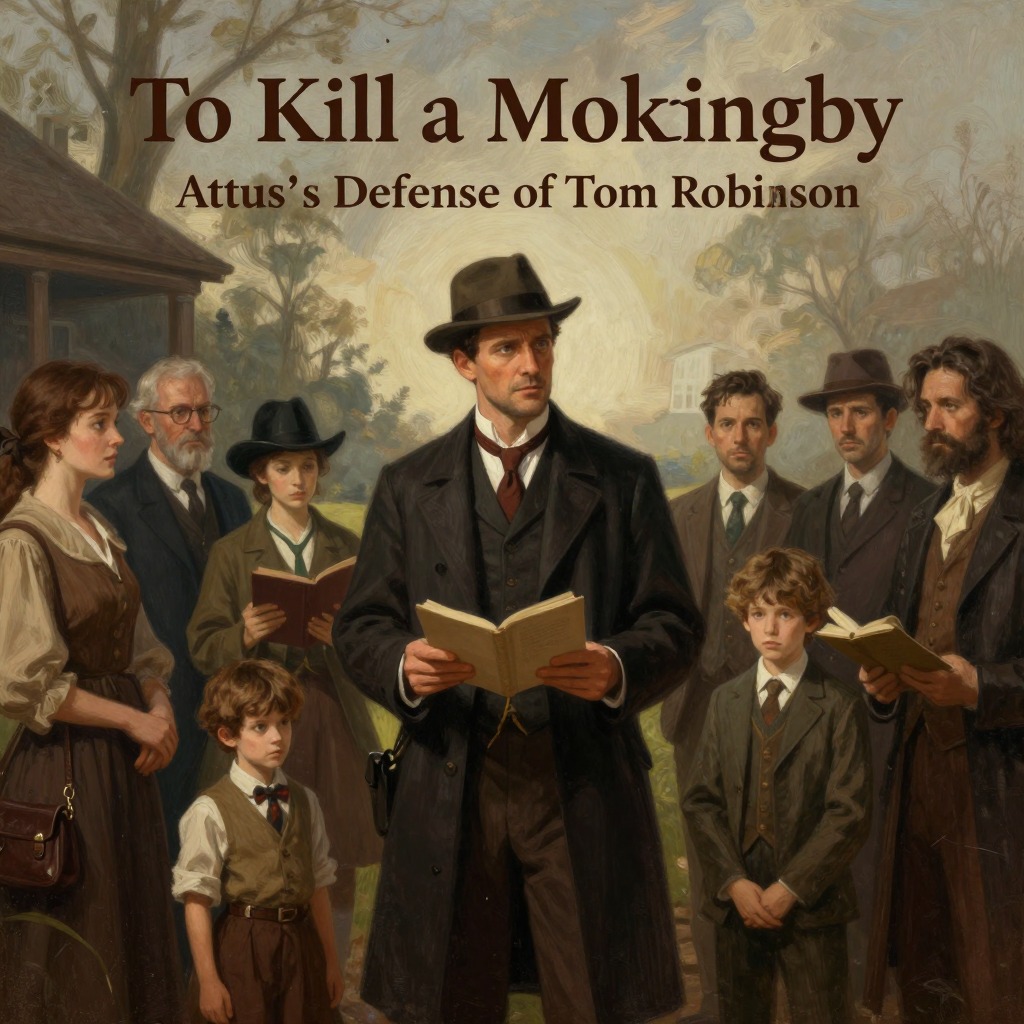
Atticus's Defense of Tom Robinson
The central legal case that exposes Maycomb's racial injustice and tests the Finch family's moral integrity.
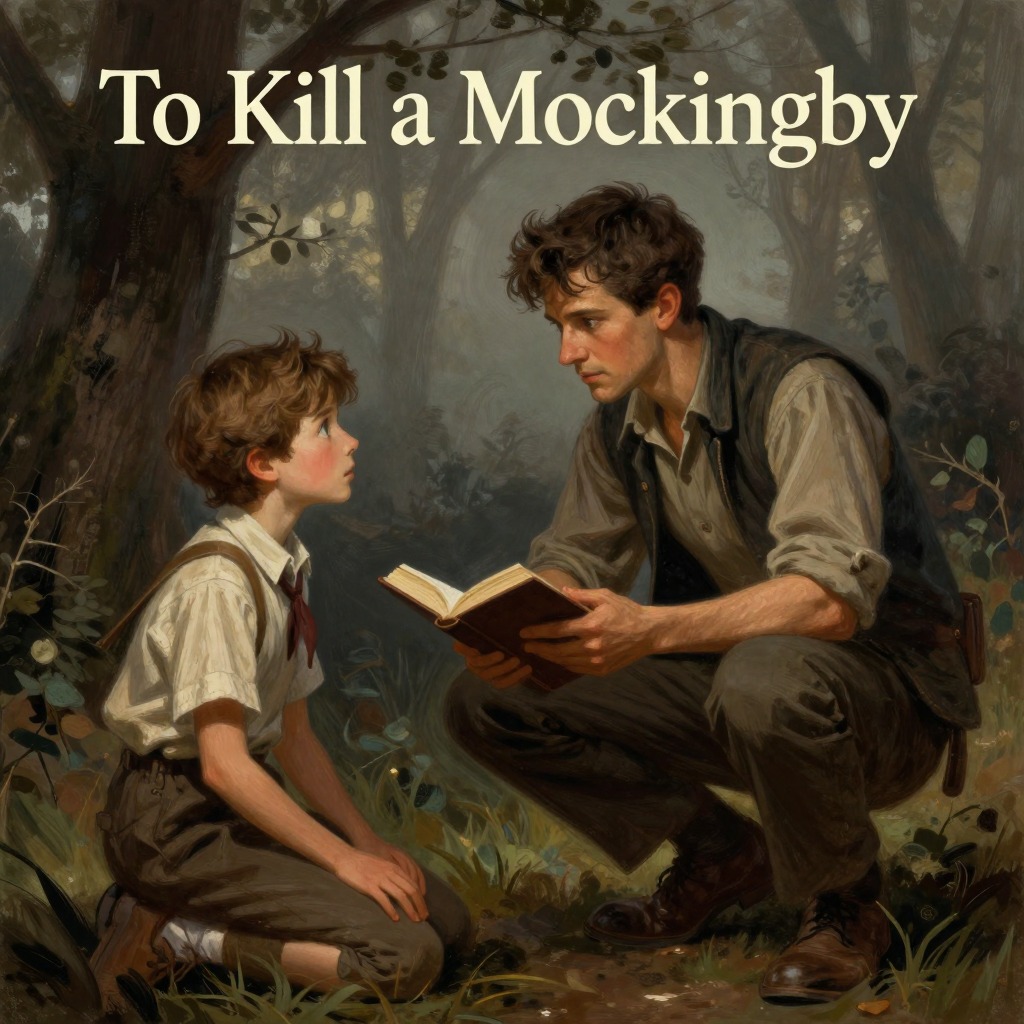
The Mystery of Boo Radley
The children's evolving perception of Boo Radley from a terrifying phantom to a secret friend and protector.
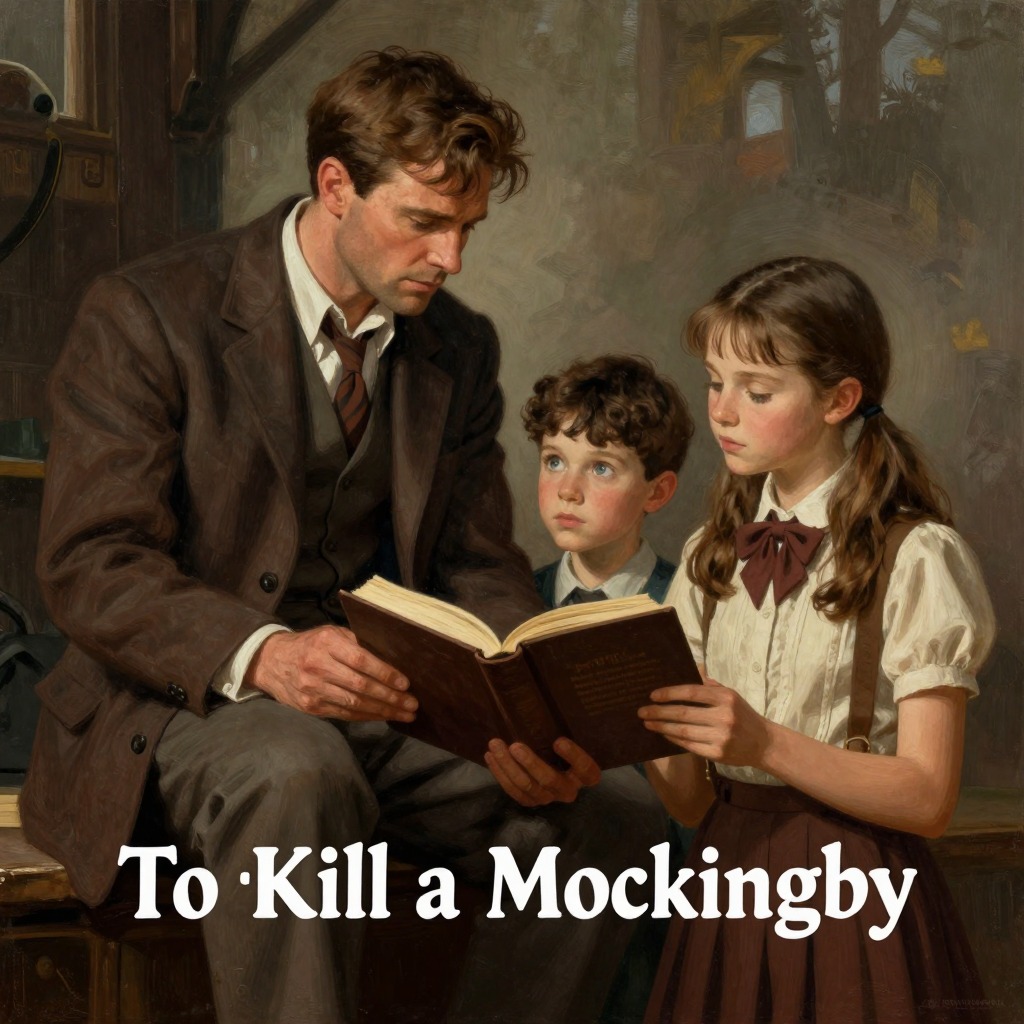
The Finch Family's Moral Education
Atticus's lessons in courage, empathy, and integrity shape Jem and Scout's moral development.
